I took a short, wintry escape to Northern Ireland, spending a couple of nights split between Belfast and Carrickfergus, and it turned out to be one of those trips that feels compact in time but rich in atmosphere and history.
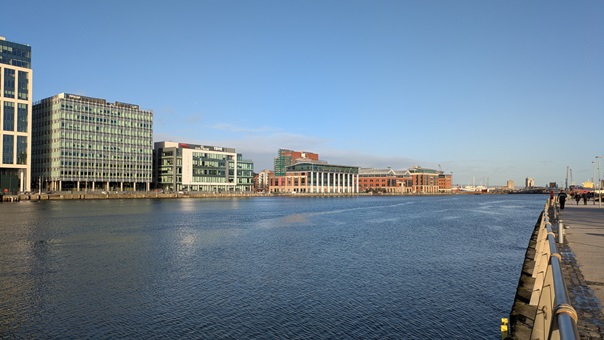
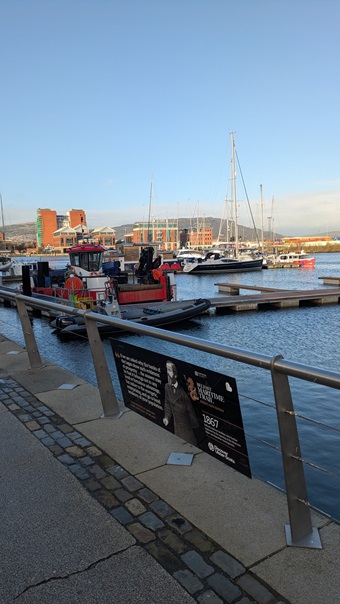
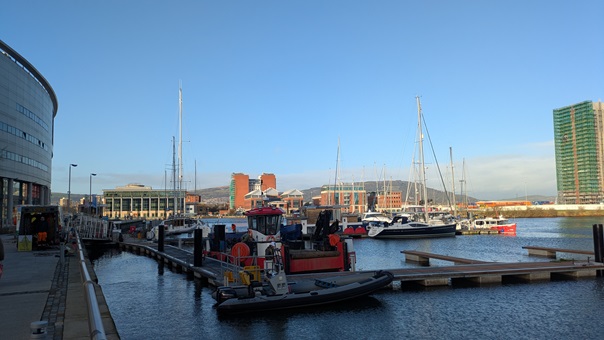
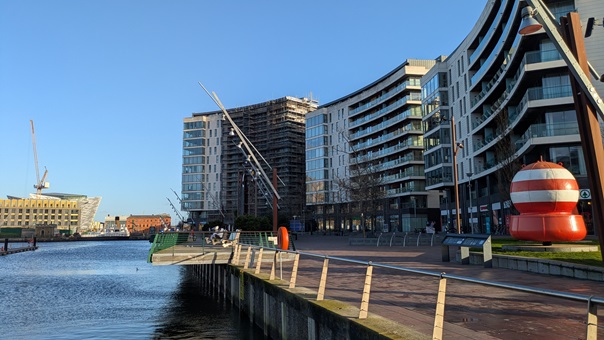
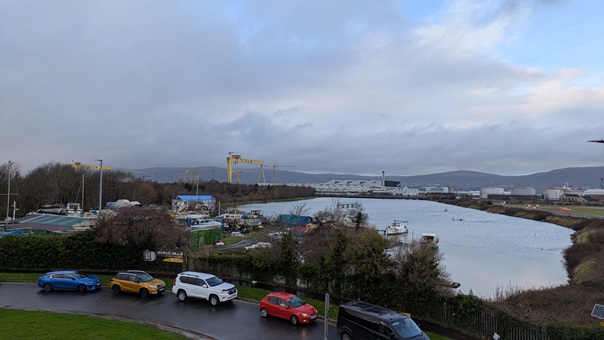
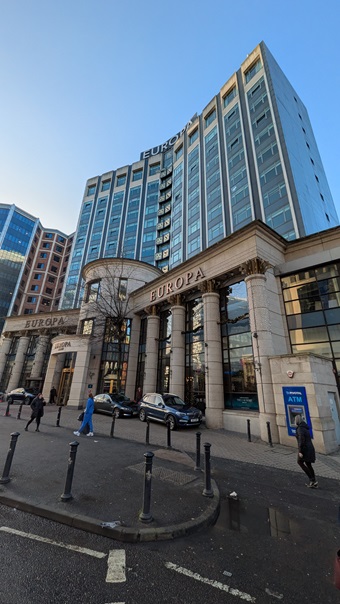
I based myself first in Belfast’s Titanic Quarter, a fitting place to begin any introduction to the city. Standing near the slipways where the Titanic was built, with the angular, silver-clad Titanic Belfast rising beside the water, you’re reminded immediately of the city’s industrial past and its global reach at the turn of the 20th century. The area feels modern and open now, but the sense of history is never far away, especially with the docks stretching out into Belfast Lough under low winter skies.
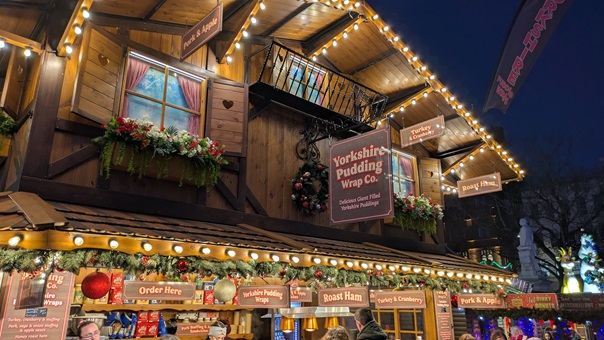
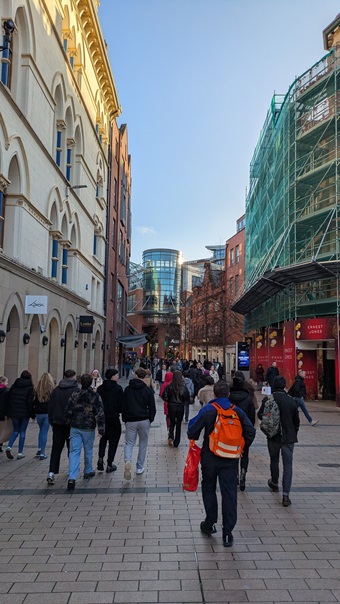
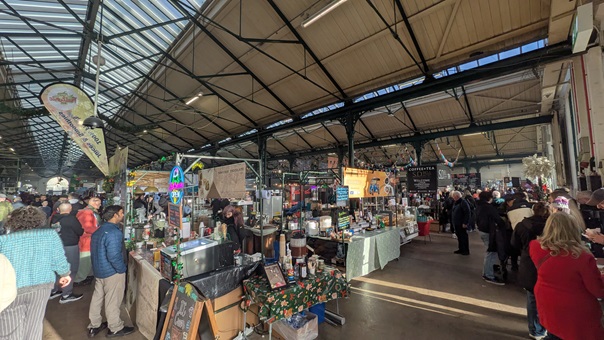
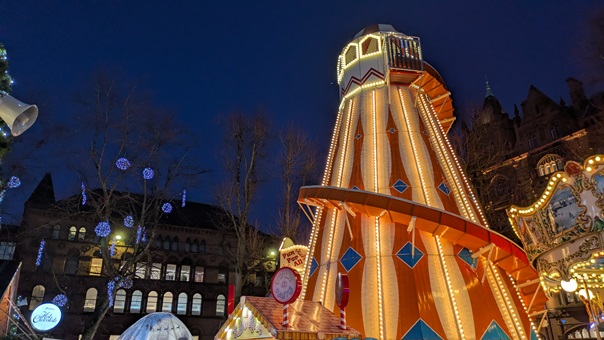
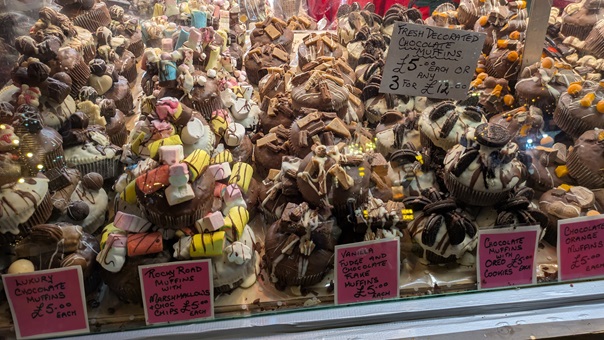
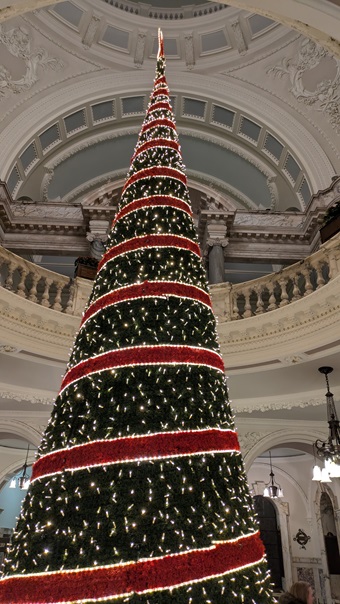
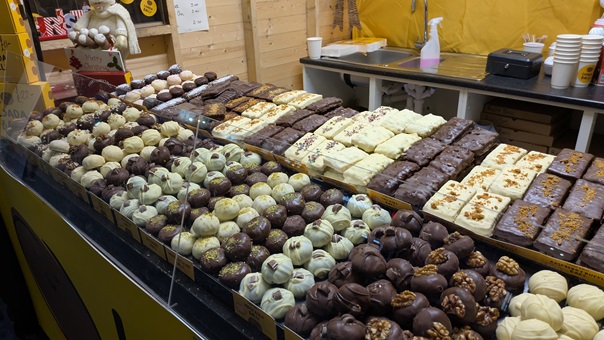
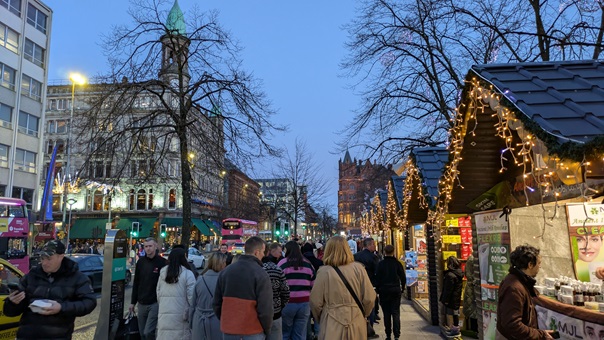
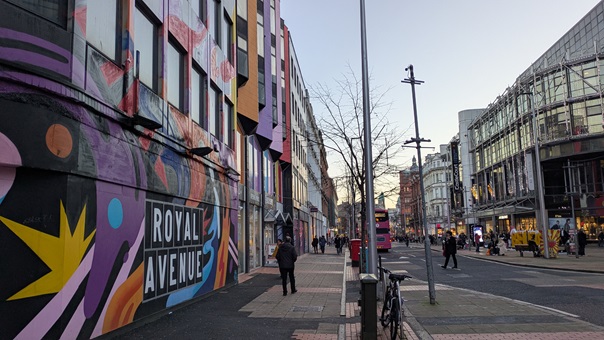
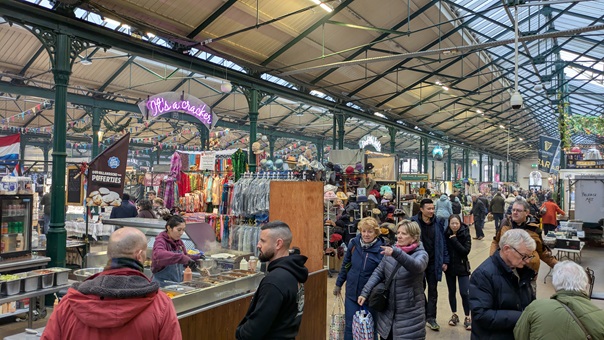
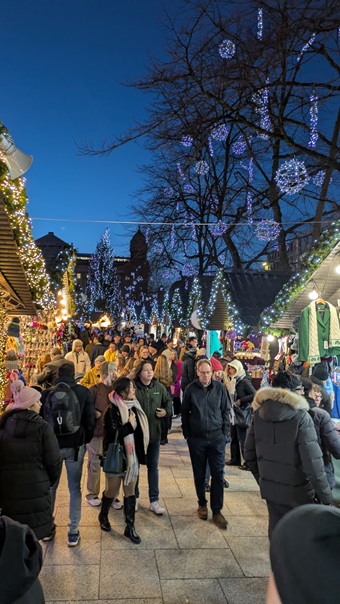
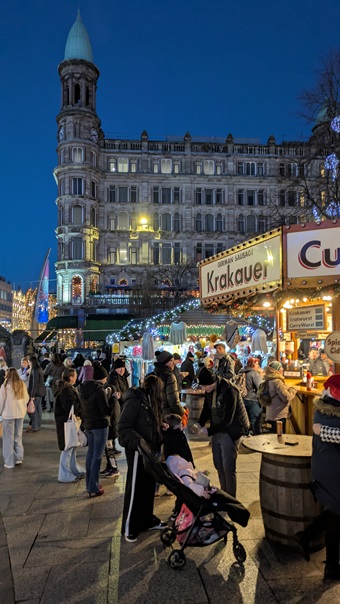
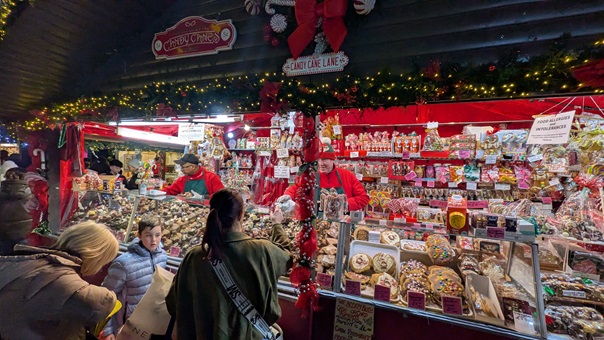
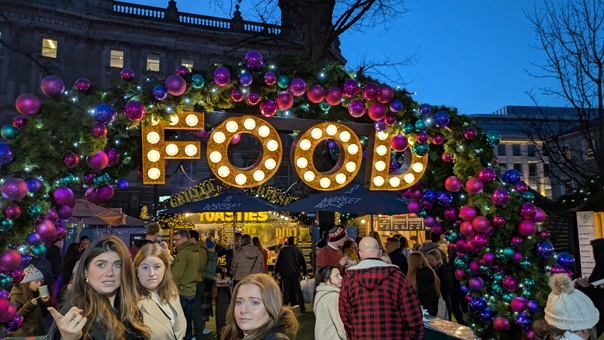
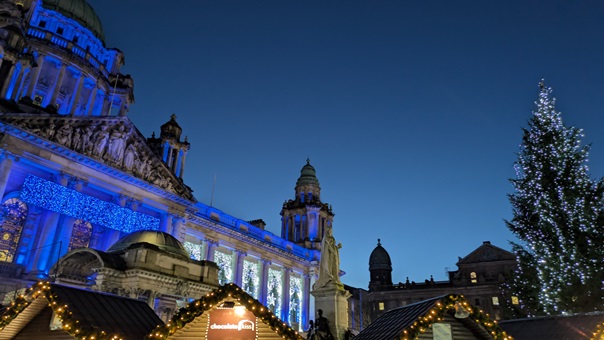
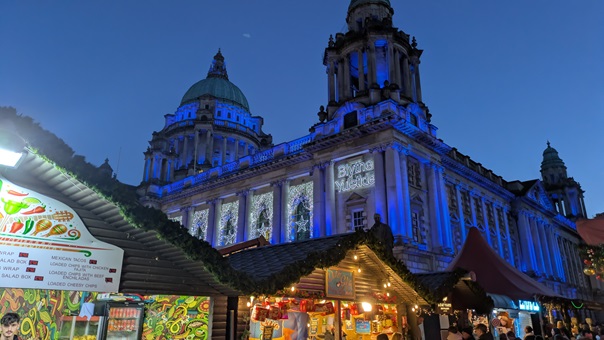
From there, I spent much of my day wandering around the city centre. The Christmas market brought warmth and colour to the shorter December days: strings of lights, the smell of mulled wine and sizzling street food, and a lively mix of locals and visitors weaving between stalls. Belfast has a friendly, unpretentious energy, and the market felt like a natural gathering point, somewhere to linger and watch the city go by.
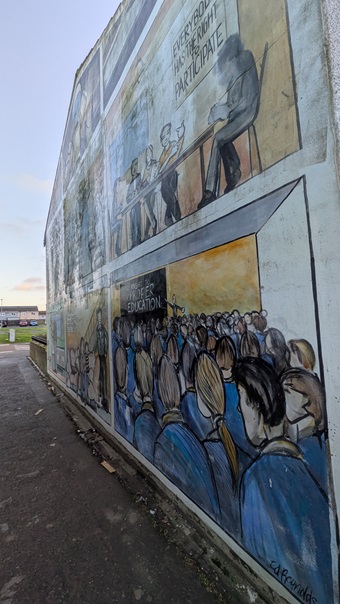
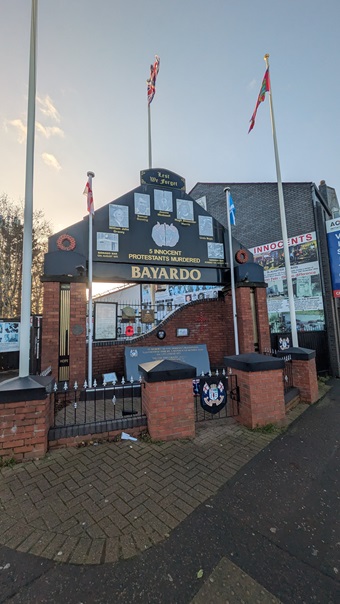
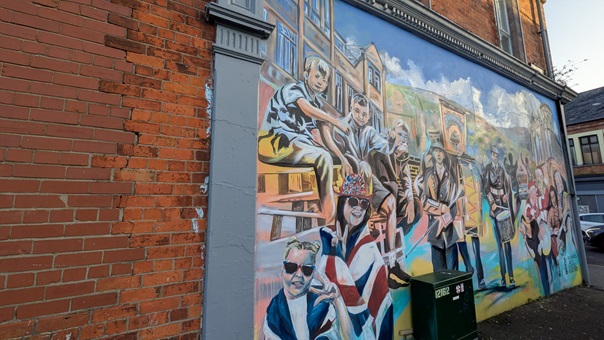
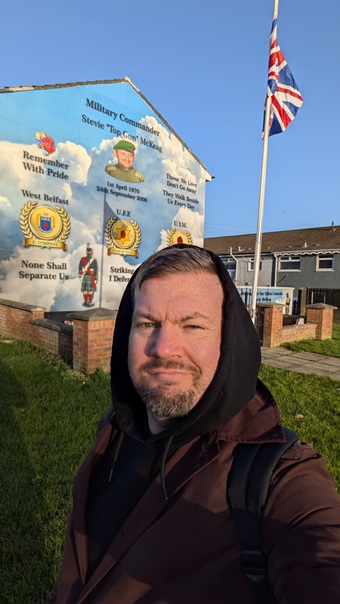
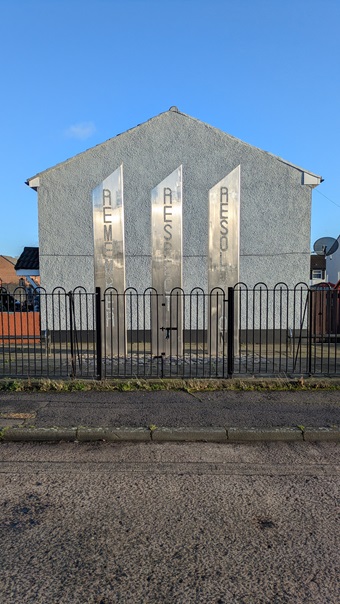
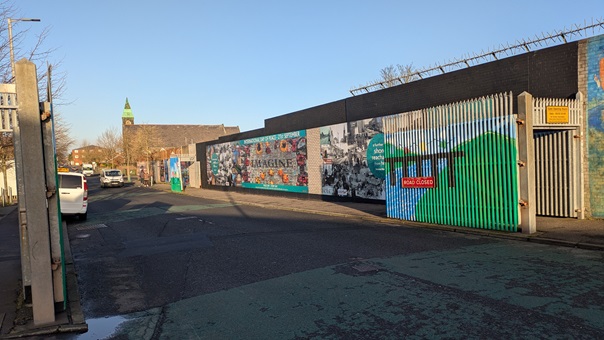
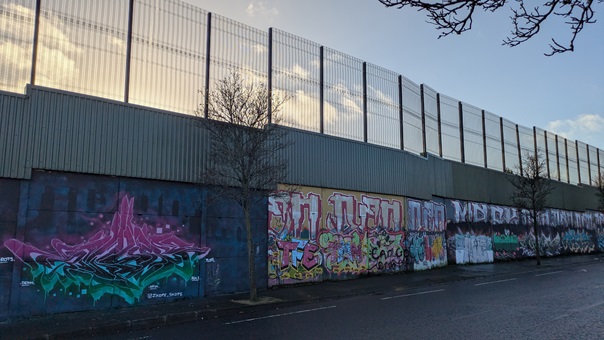
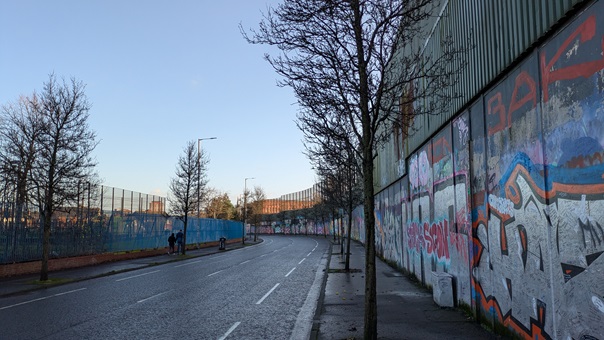
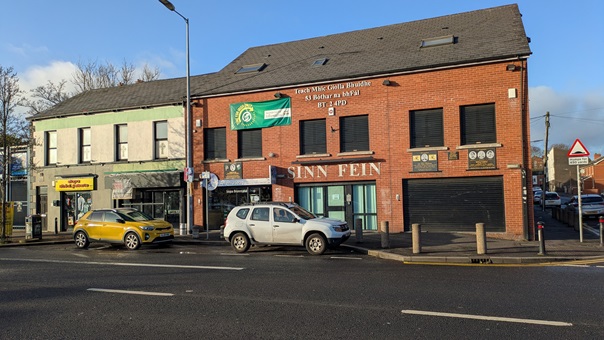
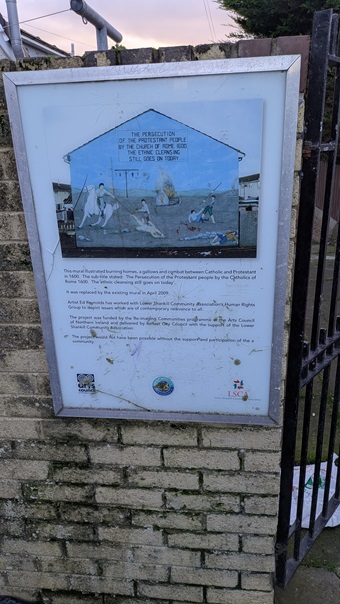
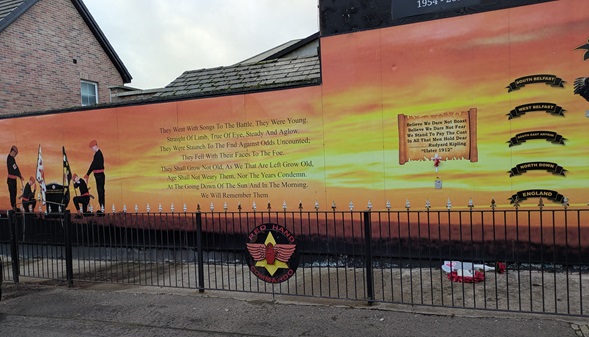
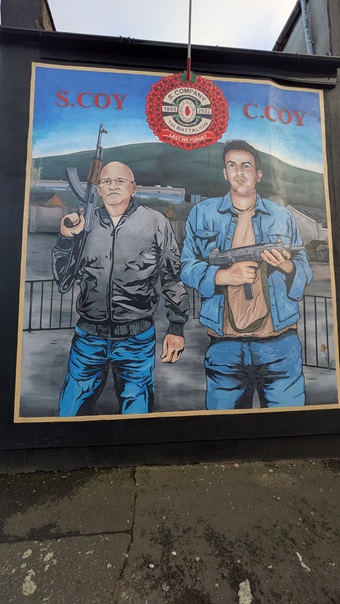
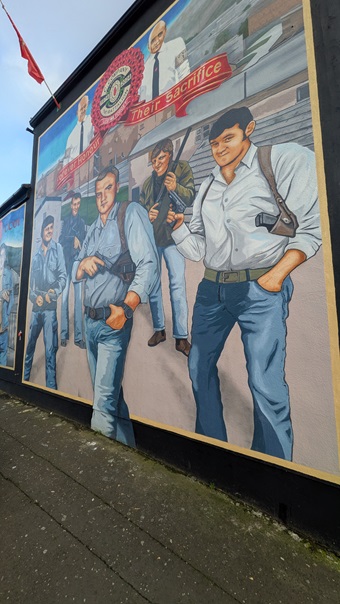
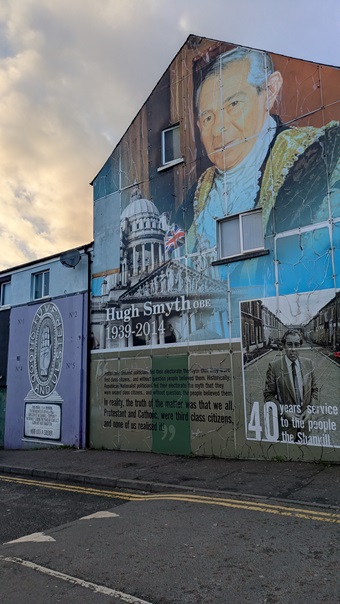
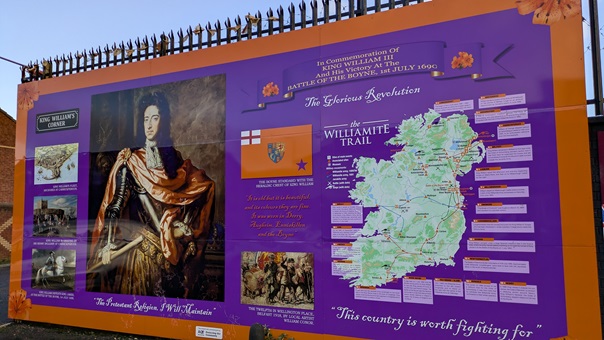
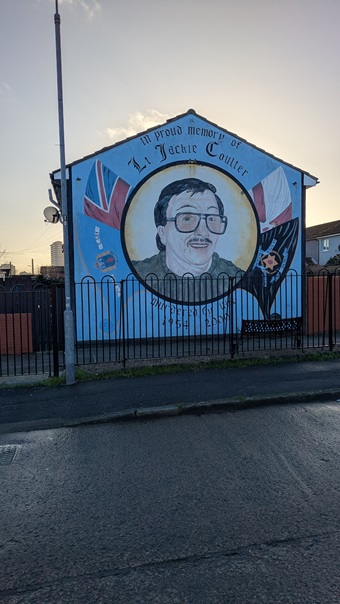
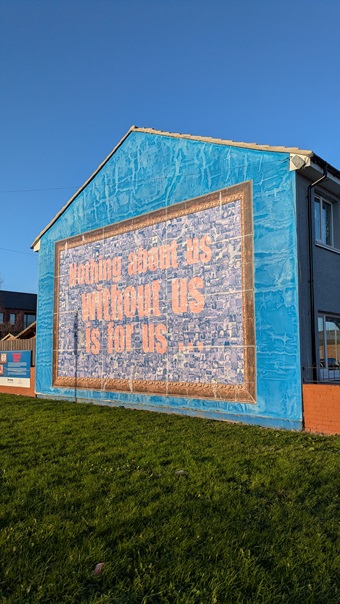
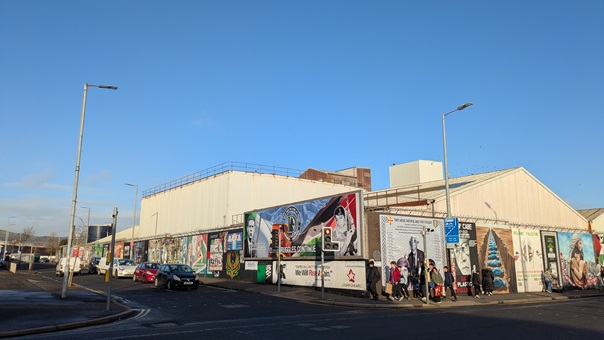
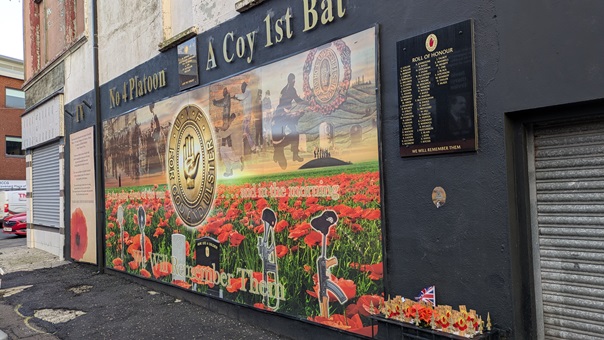
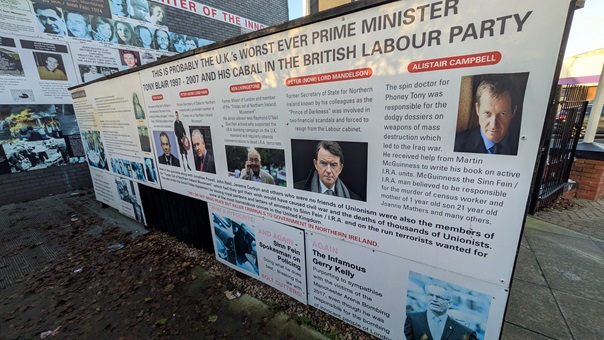
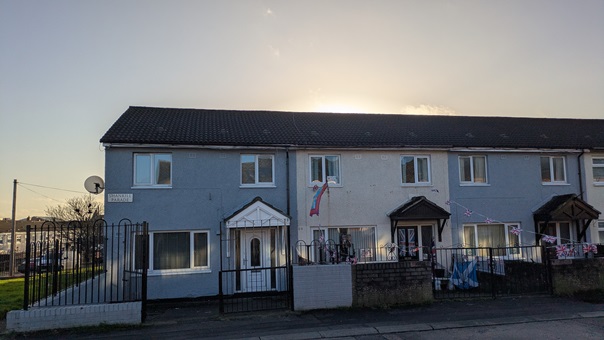
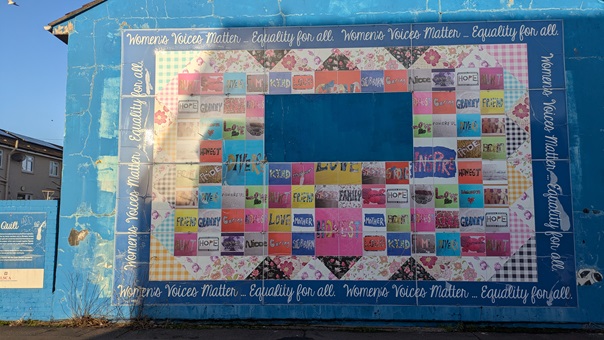
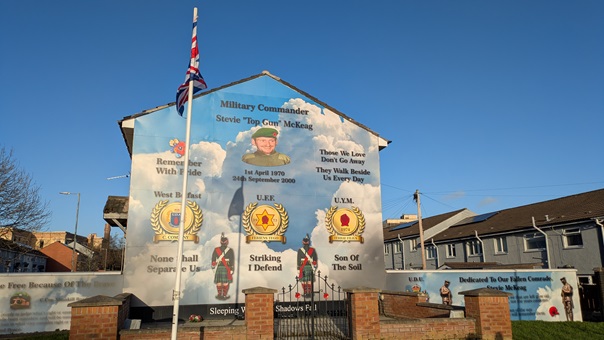
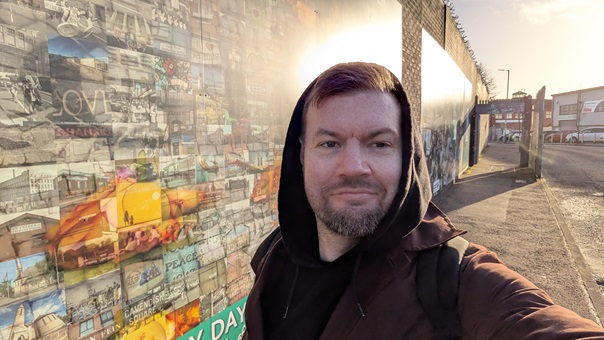
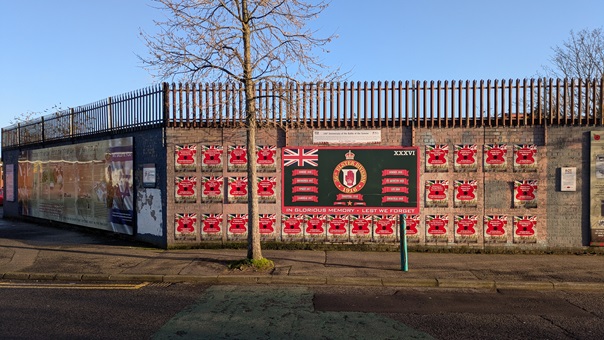
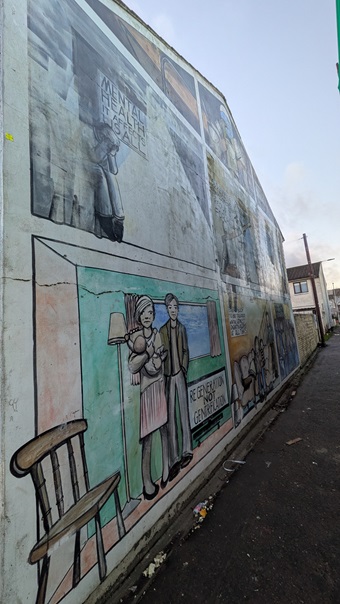
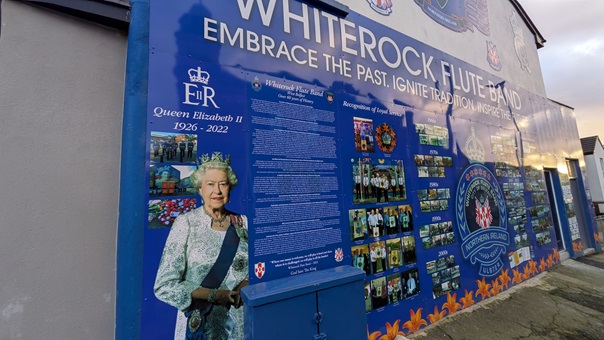
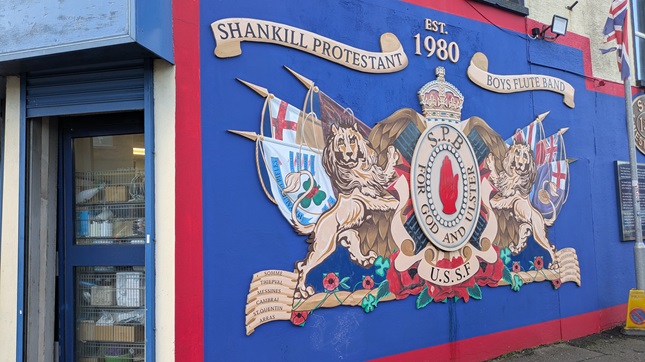
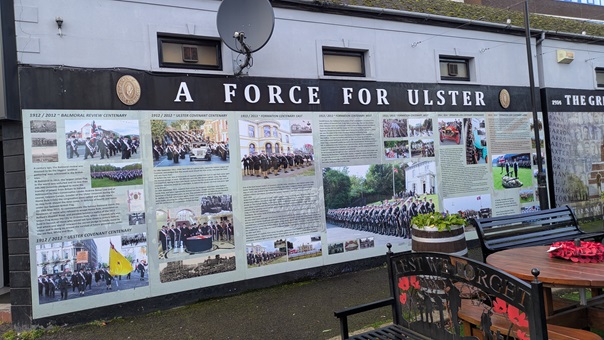
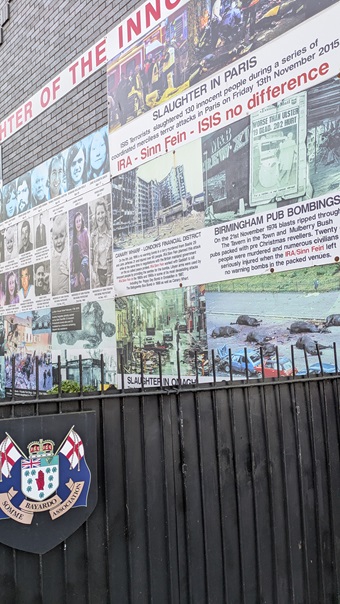
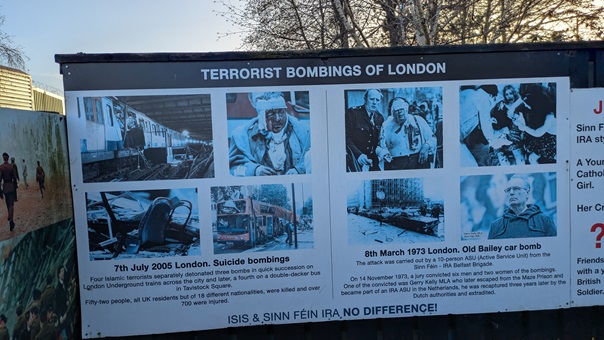
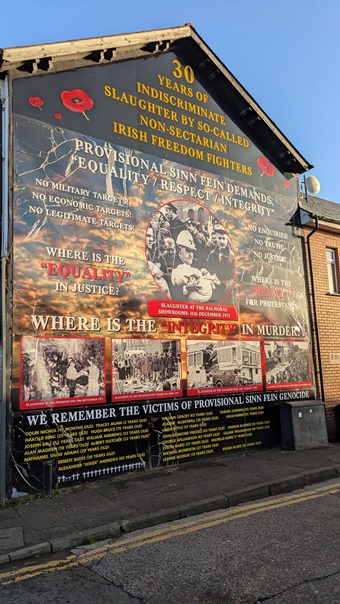
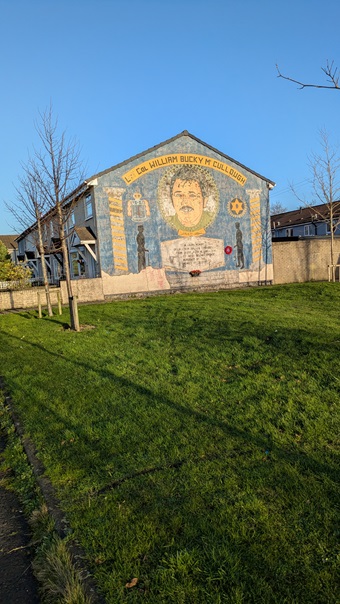
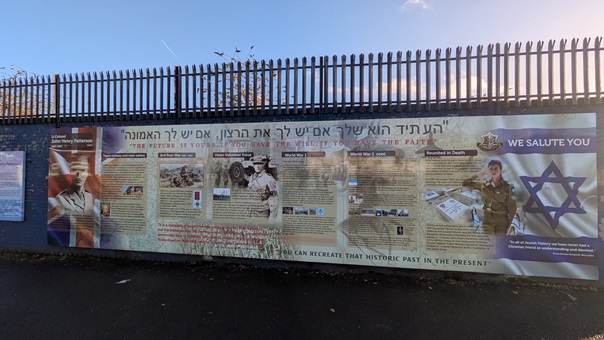
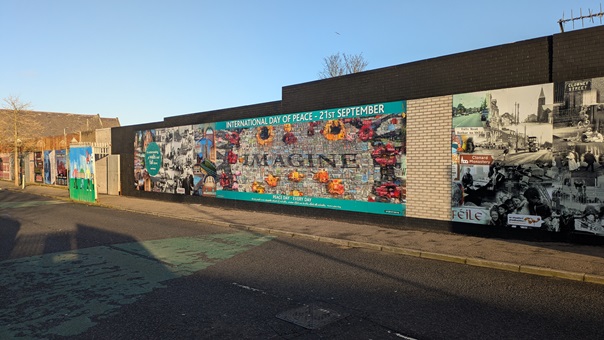
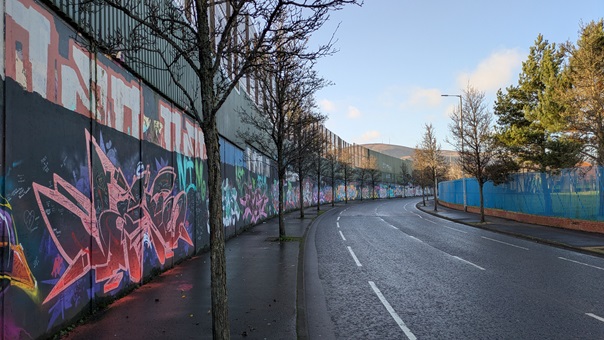
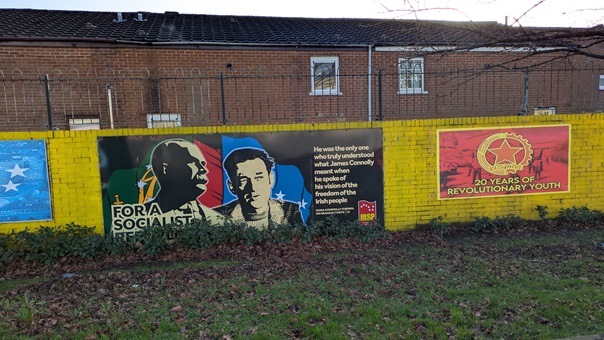
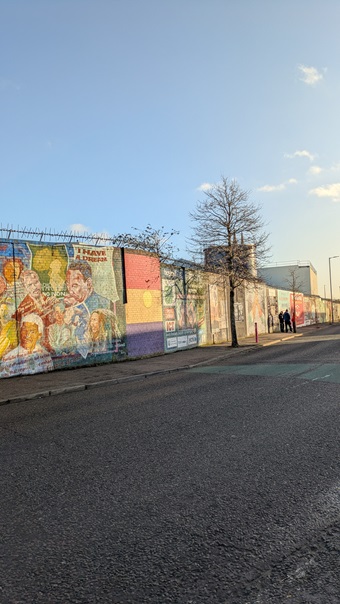
One of the most powerful parts of the trip, though, was visiting the murals along Shankill Road and the Falls Road. These areas are inseparable from the story of The Troubles, the period of conflict that dominated Northern Ireland from the late 1960s until the Good Friday Agreement in 1998. At its core, The Troubles were about identity and governance: largely Protestant unionists who wanted Northern Ireland to remain part of the United Kingdom, and largely Catholic nationalists who sought a united Ireland. What followed was decades of violence involving paramilitary groups, the British state, and civilians caught in between.
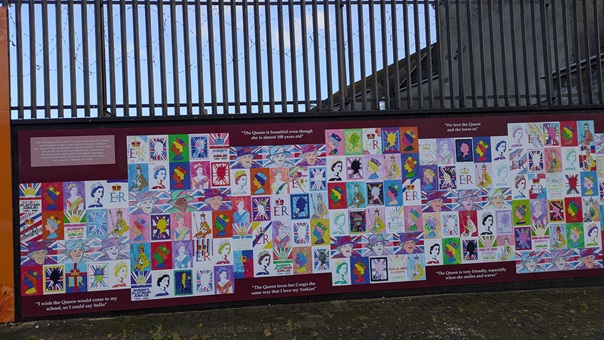
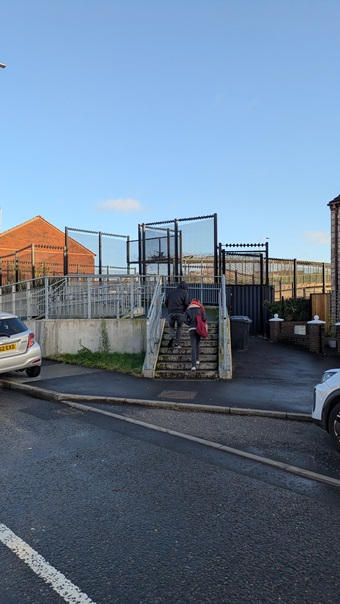
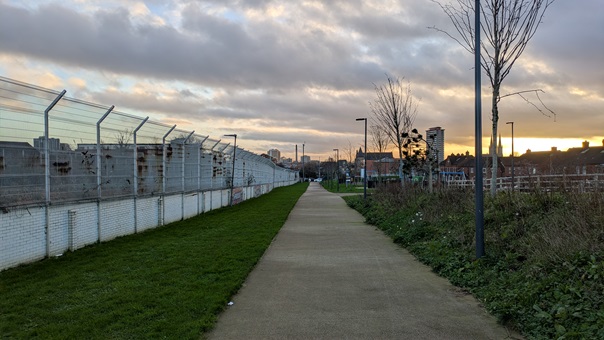
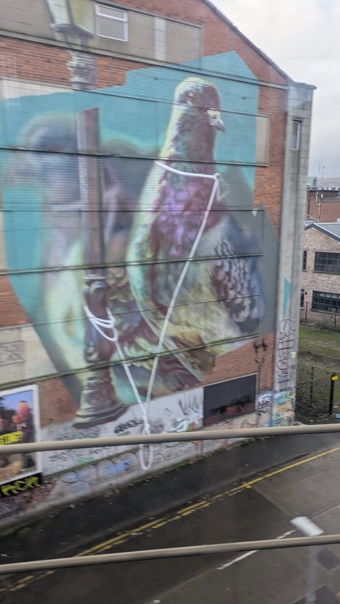
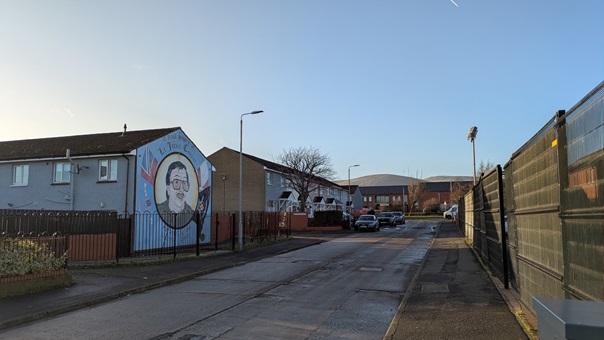
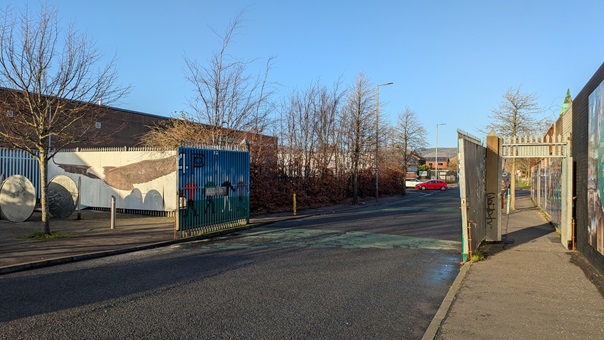
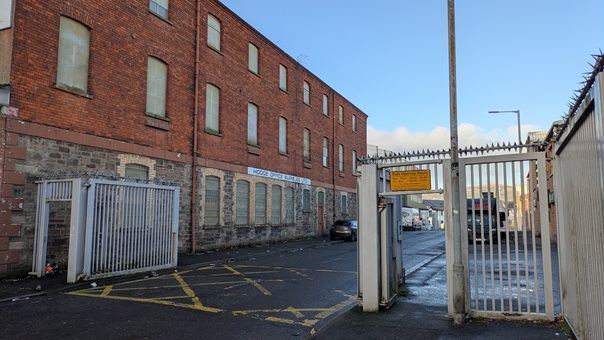
The murals bring that history vividly to life. In Shankill, many murals reflect a unionist and loyalist perspective, often featuring British symbolism or memorials to those who were killed. Along Falls Road, the murals tend to express nationalist and republican narratives, referencing civil rights, Irish identity, and international struggles for freedom. Threading between these neighbourhoods are the peace walls and peace gates—physical barriers built to separate communities during the conflict. Some still stand today, with gates that are closed at night, serving as a stark reminder of how recent and tangible the divisions once were. Seeing them in person, so close to everyday homes and streets, gives a sense of how The Troubles shaped the very layout of the city.
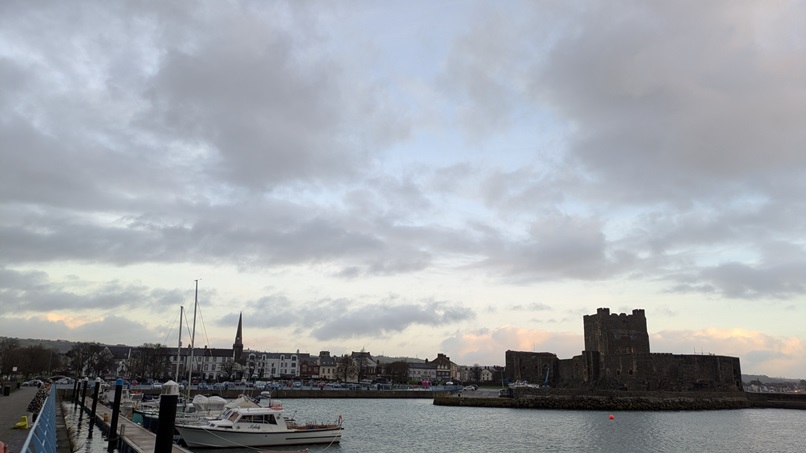
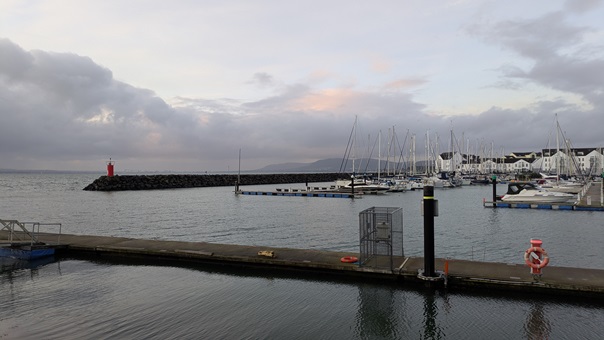
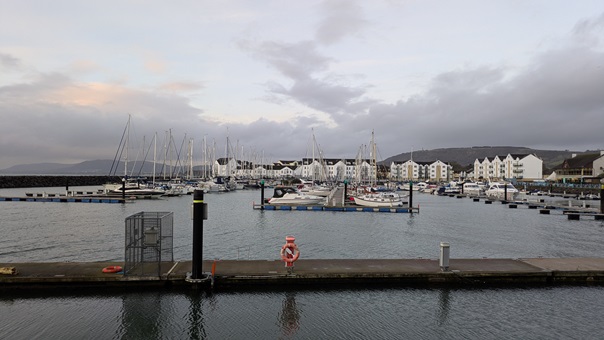
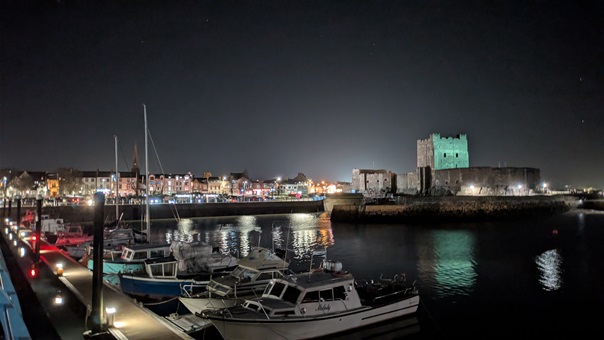
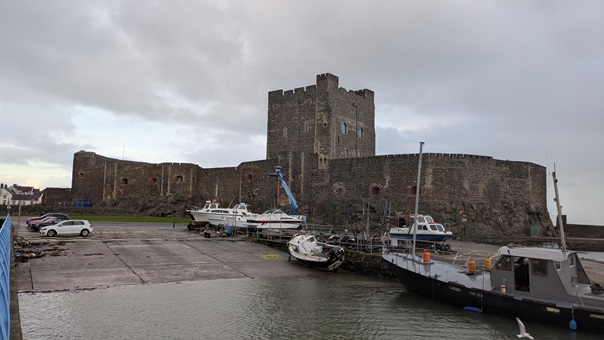
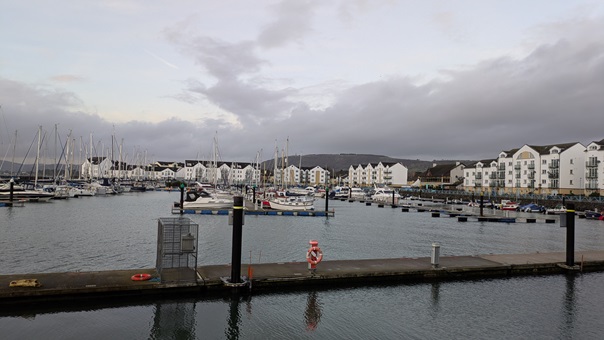
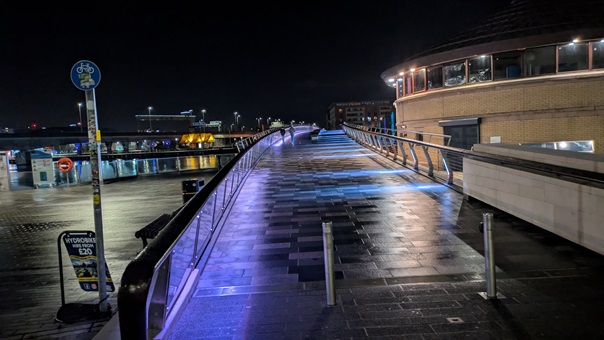
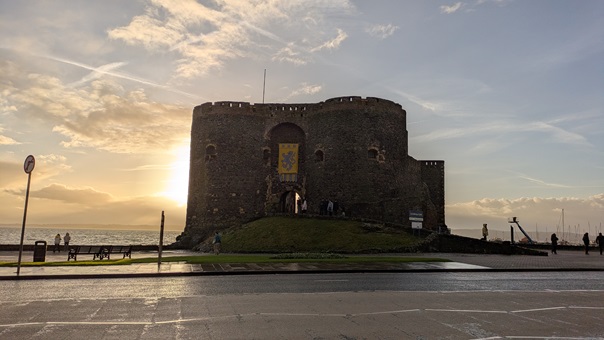
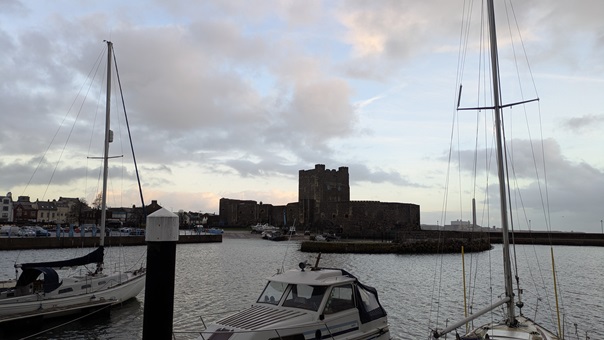
After Belfast, I spent time in Carrickfergus, staying right by the castle. Carrickfergus Castle dominates the town, its thick stone walls and towers jutting out into the sea. Dating back to the 12th century, it’s one of the best-preserved medieval castles in Ireland, and staying nearby gave the place a quiet, almost timeless feel, especially in the evenings when the day visitors had gone and the lights reflected off the water. Compared to Belfast, Carrickfergus felt slower and calmer, a good counterpoint to the city and a reminder of the long layers of history that predate modern conflicts.
Overall, the trip felt like a journey through multiple versions of Northern Ireland: industrial ambition in the Titanic Quarter, festive warmth in the city centre, raw and honest history on the mural-lined streets and along the peace walls, and medieval solidity by the castle at Carrickfergus. Even over just a couple of nights, it was a place that invited reflection as much as exploration, and one I’d gladly return to with more time.